Helping Preschoolers Learn How to Print
Simple, playful ways to build confident little writers
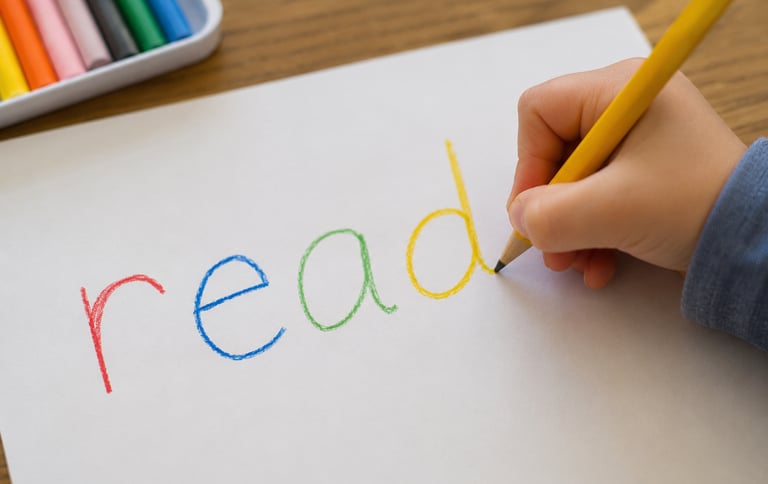
After years of helping young children develop early writing skills, one thing becomes very clear: learning to print starts long before a child picks up a pencil to write neatly on paper.
Strong printing skills grow from play, movement, and hands-on experiences that help little hands become stronger and more coordinated.
If you’re helping your preschooler begin their printing journey, here are a few important things to keep in mind.
1. Fine Motor Development Comes First
Before children can comfortably print letters, the tiny muscles in their hands and fingers need time to develop strength and control.
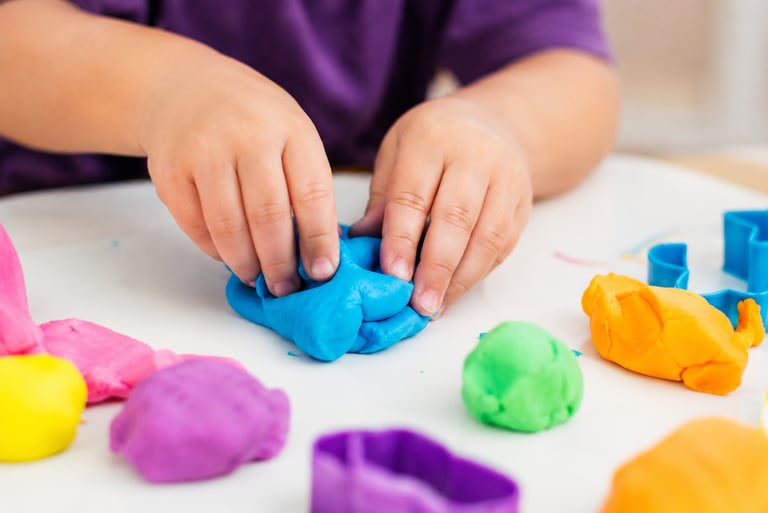
Think of fine motor skills as the foundation for printing. When children spend time squeezing, pinching, rolling, stacking, and grasping, they are preparing their hands for writing without even realizing it.
Easy Ways to Build Fine Motor Skills at Home
Here are some playful activities that make a big difference:
Playing with playdough or clay
Coloring and drawing
Stringing beads or pasta onto yarn
Picking up small objects with tweezers or fingers
Building with small blocks or LEGO
Using child-safe scissors
Peeling stickers and placing them on paper
Painting with small paintbrushes
Turning pages in books
Playing with buttons, zippers, and snaps
The best part? Most preschoolers simply think they’re playing.
Short, enjoyable activities are often more effective than long writing sessions. When children have fun, they stay engaged and confident.
2. Try “Rainbow Writing”
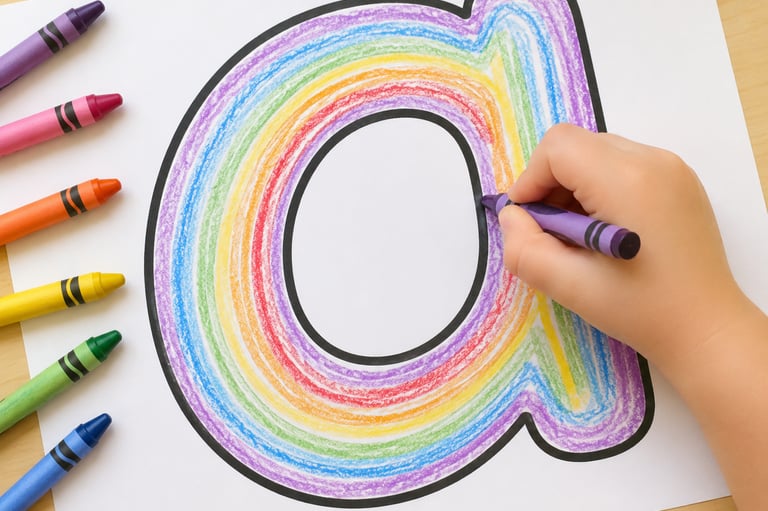
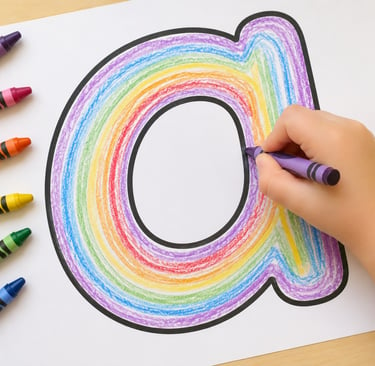
One of my favorite early printing activities is called Rainbow Writing. Preschoolers absolutely love it, and it helps develop several important skills at once.
How It Works
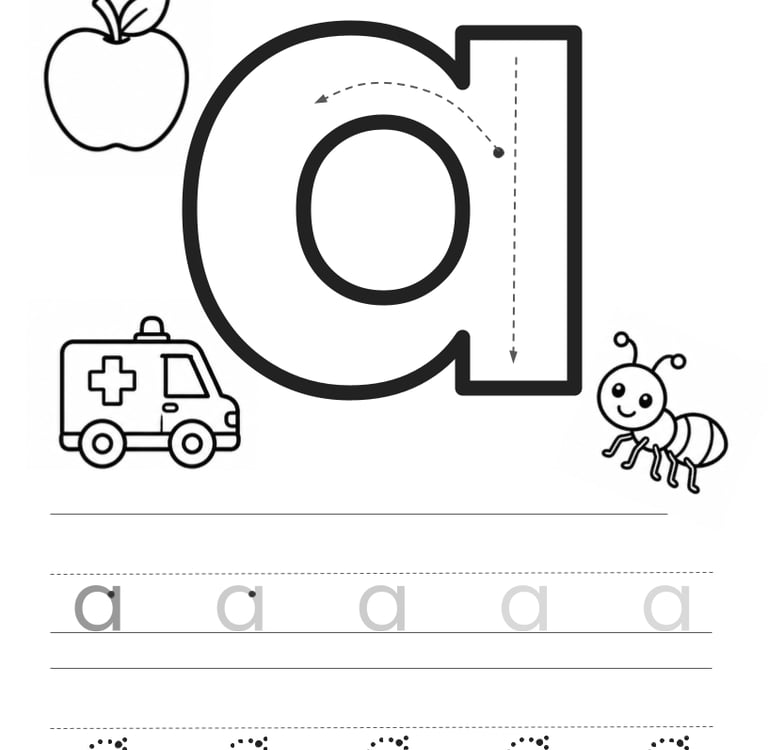
Start by writing a large letter on paper or printing a letter template.
Then have your child trace over the same letter several times using different colored crayons or markers. Each new color creates a rainbow effect.
For example:
Trace with red
Then blue
Then green
Then purple
By the end, the letter becomes bright, colorful, and layered.
Why Rainbow Writing Helps
Rainbow Writing:
Strengthens fine motor control
Helps children practice pencil grip
Reinforces correct letter formation
Builds muscle memory
Familiarizes children with letter shapes
Makes repetition feel fun instead of frustrating
Most importantly, children learn the direction of letter formation by tracing correctly over and over again.
Preschoolers often need many repetitions before printing feels natural — and Rainbow Writing turns that repetition into a playful activity.
There’s something so exciting about watching a preschooler learn to print their name for the very first time. Those wobbly little letters may not be perfect, but they are a huge milestone.
Get your free printable below!
3. Teach Correct Letter Formation Early
One of the most important things you can do is help your child learn the correct way to form letters right from the beginning.
Keep It Light and Encouraging
One of the biggest gifts we can give young learners is confidence.
At this age, the goal is not perfect handwriting. The goal is helping children:
enjoy learning,
build hand strength,
recognize letters,
and feel proud of their efforts.
Celebrate progress, not perfection.
A child who feels successful and encouraged is much more likely to develop a lifelong love of learning.
Free Printable: Rainbow Writing Practice Pages
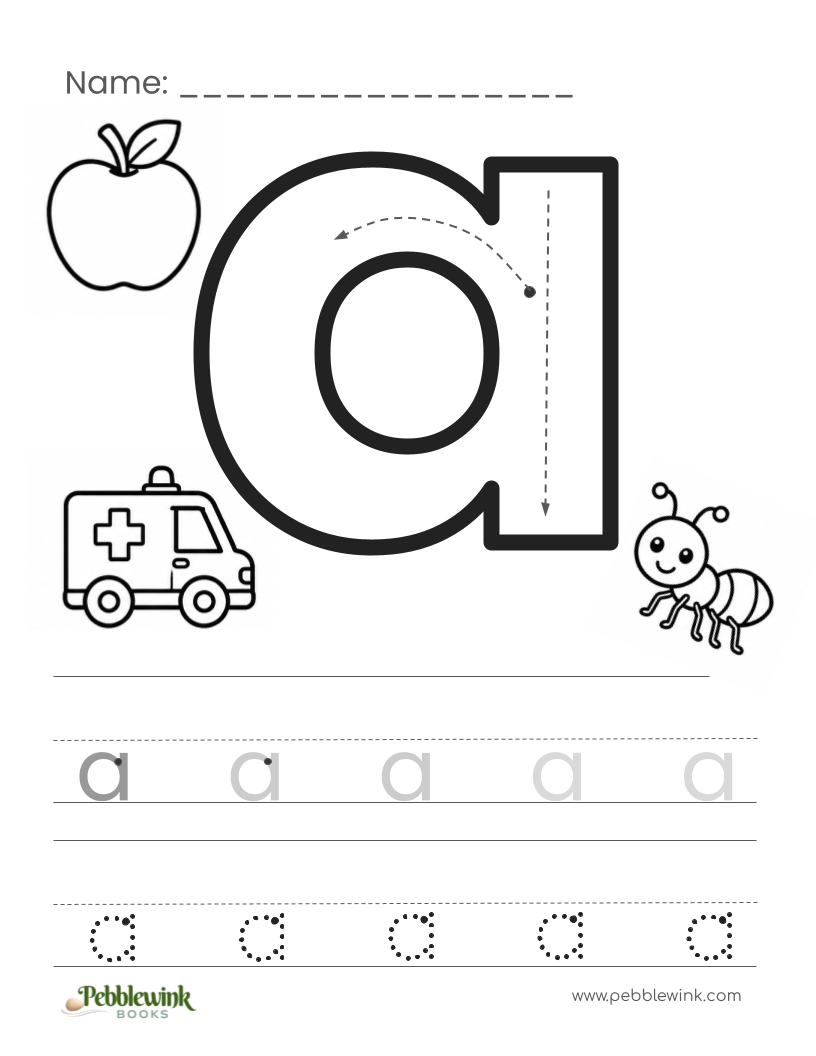
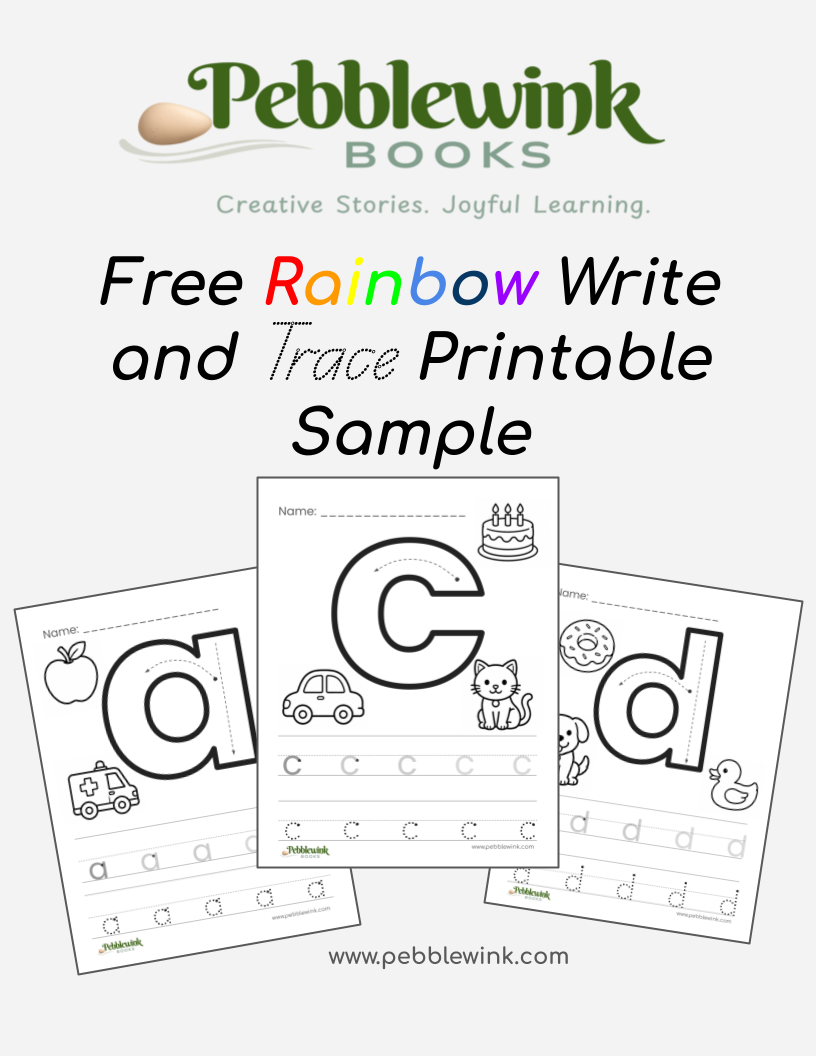
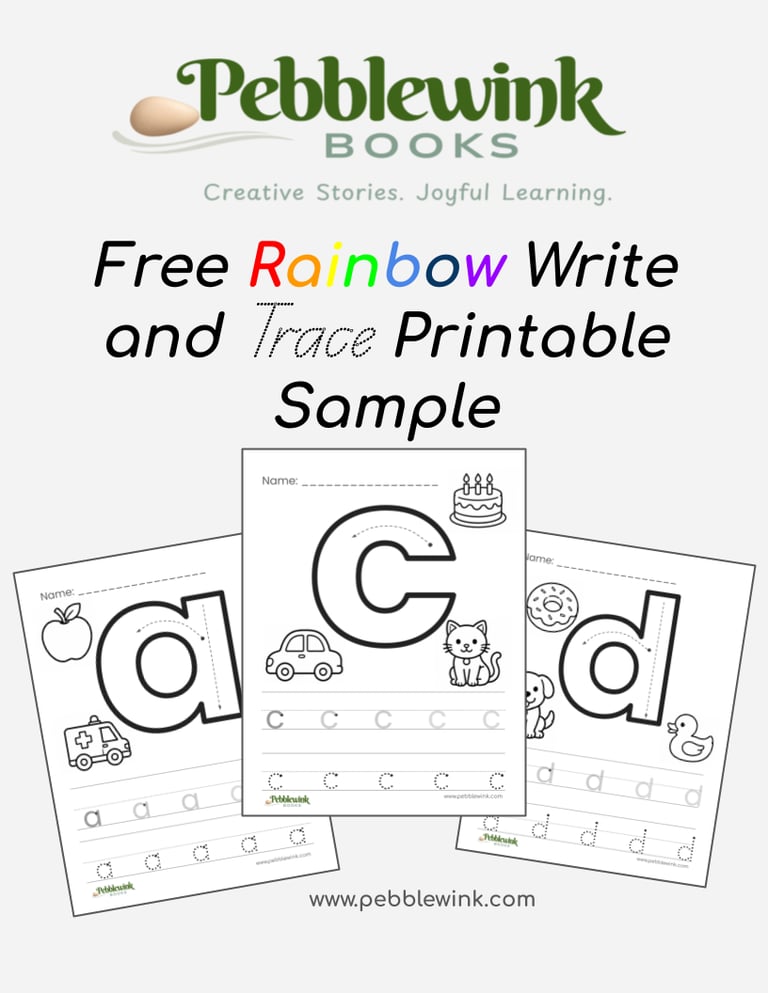
To make printing practice extra fun, I’ve created a free printable sample with large tracing letters perfect for Rainbow Writing activities.
Download the printable below and enjoy some colorful learning together! If you want a whole workbook for your little learner, Pebblewink's Alphabet Trace and Color Activity Books are coming soon! These activity books are designed to be engaging and focus on printing skills. Watch for updates on when they will be available.
For more printing practice, see the Zooming Alphabet workbook for preschoolers.


Join the Pebblewink Adventure Club!
Receive a new collection of creative activities, family adventures, learning ideas, and inspiration every month—designed to help your family explore, create, wonder, and learn togethe


